Single tooth
One implant, one crown, matched to the teeth either side of it. The neighbouring teeth are left untouched, which a bridge cannot claim.
An implant replaces a missing tooth root with a titanium post and a crown on top. It is fixed, it is cleaned like a normal tooth, and it does not ask the neighbouring teeth to carry a bridge. The reason people are sent here is the other half: the cases where there is not enough bone to put one in.
The jawbone that held a tooth is maintained by that tooth. Take it away and the bone begins to shrink, month after month. By the time somebody decides to replace the tooth, there may not be enough left to anchor an implant.
That is the point at which many practices say no, or quote for a bridge instead. A maxillofacial surgeon rebuilds the site — a graft, or a sinus lift in the upper back jaw — and then places the implant into bone that can hold it.
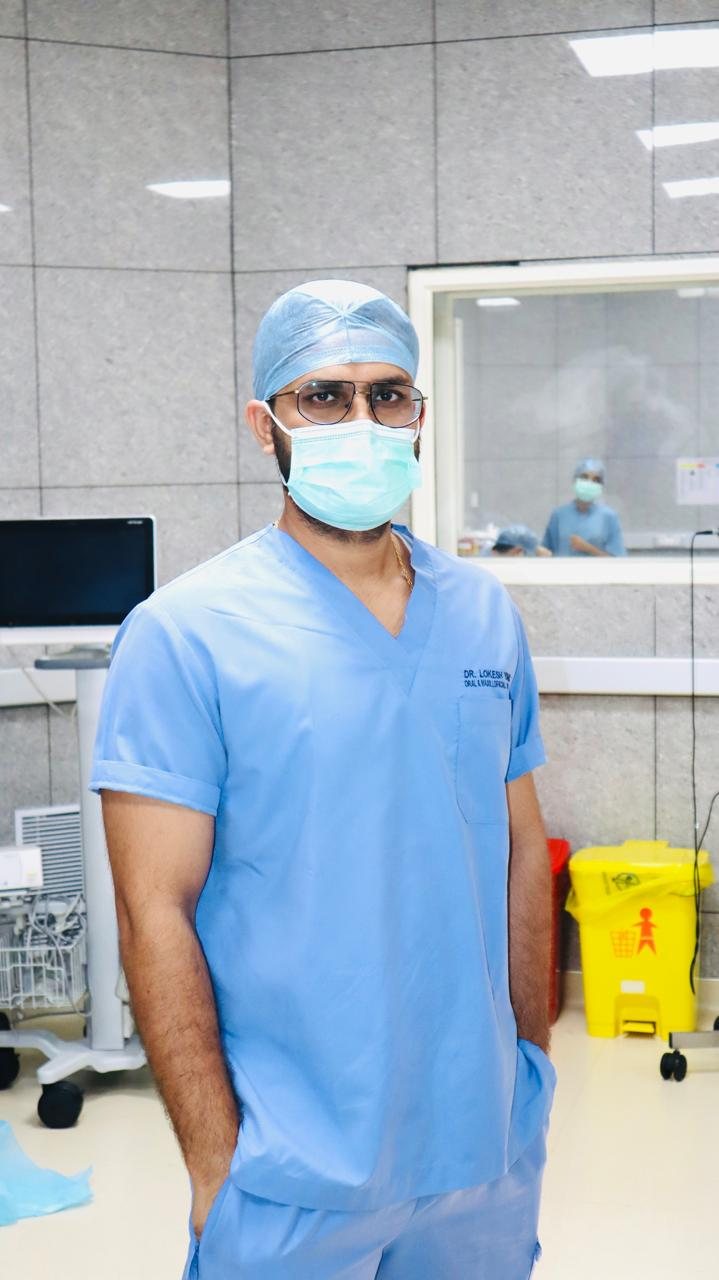
The plan comes off a scan before any of it is agreed, so you know how many visits and how many months before you commit to anything.
One implant, one crown, matched to the teeth either side of it. The neighbouring teeth are left untouched, which a bridge cannot claim.
A small number of implants carrying a bridge across a longer gap, rather than one implant per missing tooth.
A fixed set on implants for an entirely missing upper or lower jaw — the alternative to a denture that moves.
For a denture that will not stay put: implants it clips onto, so it stops sitting loose.
Rebuilding the site first where the bone has gone. This is what makes the previous four possible in a mouth that was turned away elsewhere.
An implant placed elsewhere that has loosened or become infected, assessed honestly: sometimes it is saved, sometimes it comes out and the site is rebuilt.
An X-ray or 3D scan shows how much bone there is and where the nerve and the sinus sit. This visit decides whether an implant can go straight in or whether the site needs building up first.
Where the bone has shrunk, it is rebuilt and left to heal before anything is placed. Skipping this is how implants fail two years later.
The post goes into the jawbone under local anaesthetic. It is a minor surgical procedure, not a long one.
The bone fuses to the implant over a few months. This wait is the treatment, not a delay in it — anyone promising a tooth the same week is promising something else.
An impression is taken and a crown made to match your own teeth, then fitted. That is the visit people picture when they think of an implant.
Usually not. It means the site has to be rebuilt before an implant goes in, which adds a stage and some months. It is the most common reason people are referred here, and it is a normal part of the work rather than an exception.
Typically a few months between placing the implant and fitting the crown, longer if a graft is needed first. The exact timeline depends on your bone and is given to you at the consultation.
It is done under local anaesthetic, and is a smaller procedure than most people expect. There is some swelling afterwards, managed with prescribed medication.
It depends on how many implants, whether grafting is needed, and the crown material. The cost is quoted after the surgeon has seen the imaging and before any work starts.
A well-placed implant in healthy bone, kept clean, lasts many years. What shortens that is gum disease and smoking, which is why both are discussed honestly before you commit.
Most people arrive with an X-ray somebody else took. Send it on WhatsApp and you will get an honest answer on what it needs — including when it needs nothing.