Root Canal Treatment: Cost, Procedure, and Recovery in Gurugram
A sudden toothache that will not settle, or pain that gets worse when you bite down, often brings up the same question: is this a root canal? If you are searching for answers in Gurugram before booking an appointment, this guide explains when the treatment is actually needed, what happens during the procedure, honest cost ranges, and what recovery really feels like.
What Is a Root Canal and When Is It Needed
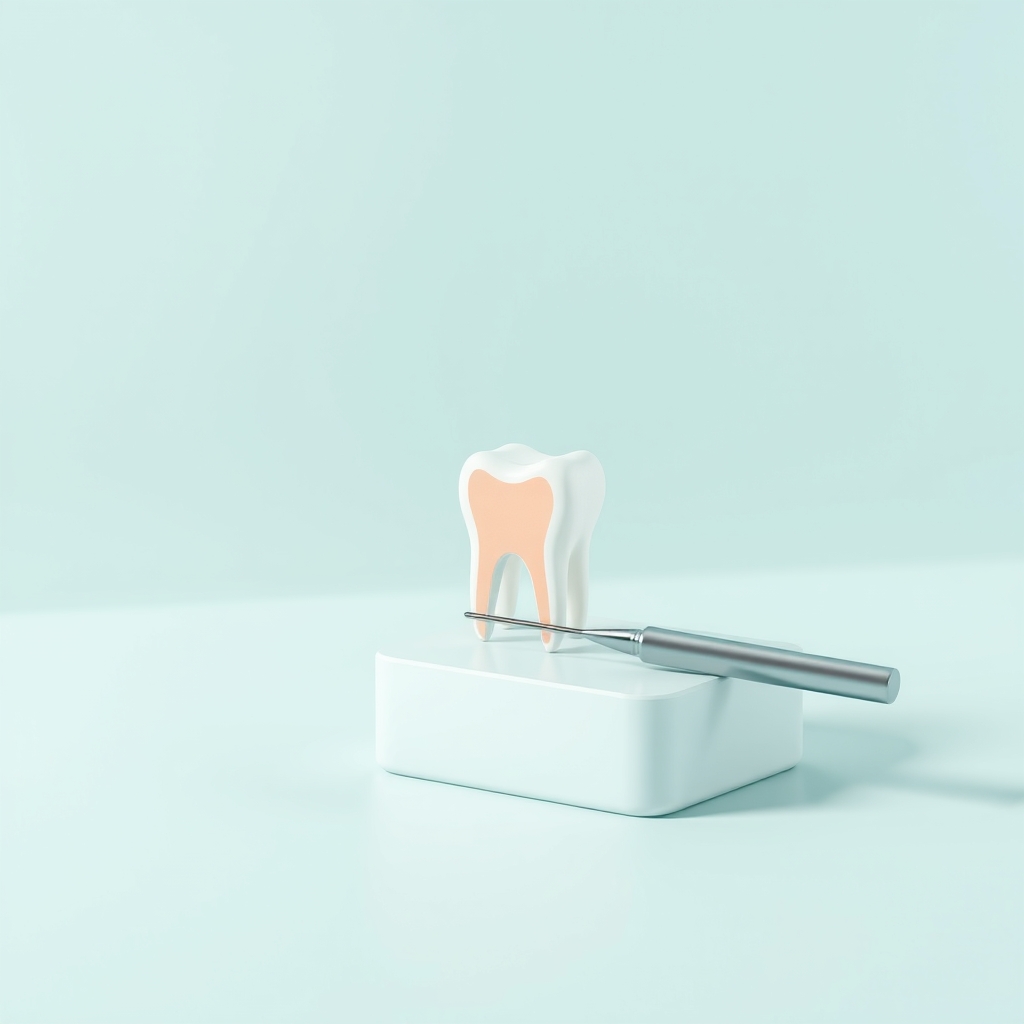
Inside every tooth is a soft core called the pulp, made up of nerves and blood vessels. When deep decay, a cracked tooth, or repeated dental work lets bacteria reach this pulp, it becomes infected or inflamed. A root canal removes this damaged tissue, cleans the inner canals of the tooth, and seals them so the tooth can stay in your mouth instead of being extracted.
Common Signs You May Need One
- Lingering pain after having hot or cold food or drinks
- Sharp pain while chewing or biting on a particular tooth
- A tooth that has become sensitive out of nowhere and stays that way
- Swelling or a small pimple-like bump on the gum near a tooth
- Darkening or discoloration of a single tooth
- A deep cavity or an old, large filling that has started hurting
Not every toothache needs a root canal. Sometimes a filling or a simple cleaning is enough. An X-ray and clinical check are the only reliable way to know which treatment your tooth actually needs.
What Happens During the Procedure
Root canal treatment is usually done in one to two visits, depending on the tooth and the extent of infection. Here is what the process generally looks like:
- Numbing the area: Local anaesthesia is given so the tooth and surrounding gum are numb before any work begins.
- Accessing the pulp: A small opening is made in the top of the tooth to reach the infected pulp tissue.
- Cleaning the canals: Fine instruments are used to remove the damaged tissue and shape the inner canals.
- Disinfecting: The canals are rinsed with a solution to clear out bacteria and debris.
- Filling and sealing: The cleaned canals are filled with a biocompatible material and the opening is sealed with a temporary or permanent filling.
- Crown placement: In most back teeth, a crown is recommended afterward to protect the tooth from cracking during chewing.
Modern root canal treatment is done under numbing medicine, so patients generally describe the experience as no more uncomfortable than getting a filling.
Typical Cost Range in Gurugram
Root canal costs depend on which tooth is being treated (front teeth have fewer canals than molars), the complexity of the case, and whether a crown is needed afterward. As a general guide for Gurugram clinics, here is a typical range:
| Treatment | Typical Range (INR) |
|---|---|
| Root canal, front tooth | 4,000 to 7,000 |
| Root canal, premolar | 5,000 to 8,000 |
| Root canal, molar | 6,000 to 10,000 |
| Crown after root canal | 4,000 to 15,000 depending on material |
These are typical ranges only and the exact cost depends on your specific case. A precise estimate can be given after an in-person examination and X-ray.
What Recovery Feels Like
It is normal to feel mild soreness or tenderness around the treated tooth for two to four days after the procedure, especially while chewing. This happens because the tissues around the tooth root were slightly irritated during treatment, and it usually settles on its own or with the painkillers your dentist recommends.
Tips for a Smoother Recovery
- Avoid chewing on the treated side until the permanent filling or crown is placed
- Stick to soft foods for the first day or two
- Take prescribed medication as directed, even if pain feels mild
- Maintain gentle brushing around the area, avoiding excessive pressure
- Keep the follow-up appointment for crown placement, as delaying this can risk the tooth cracking
If pain increases sharply after the first few days, or if swelling develops, it is worth getting the tooth rechecked rather than waiting it out.
Why Getting It Checked Early Helps
Tooth infections do not go away on their own and tend to spread if left untreated, sometimes leading to more pain, swelling, or the need for extraction later. Addressing symptoms early, when they are still mild, generally means simpler treatment and a smoother recovery. If you are in Gurugram and noticing any of the warning signs mentioned above, having the tooth examined sooner rather than later is the safer path.
Have questions about your teeth?
Dr Lokesh Yadav · 3rd floor, above Cut and Style Salon, opp. Vega School, Vipul World, Sector 48
Frequently asked questions
How do I know if I need a root canal instead of a filling?
A dentist can tell this only after checking the depth of decay or damage, usually with an X-ray. Signs that often point toward a root canal include lingering pain after hot or cold food, pain while biting, a small bump on the gum, or a tooth that has darkened. A simple filling is enough when decay has not reached the nerve tissue inside the tooth.
Is root canal treatment very painful?
Most patients feel little during the procedure itself because the area is numbed with local anaesthesia. Some soreness for two to four days afterward is normal and is usually managed well with the painkillers your dentist prescribes. Severe or worsening pain after a few days is not typical and should be checked.
How long does recovery take after a root canal?
Mild tenderness while chewing can last three to seven days. Most people return to normal eating and daily activities within a day or two, avoiding hard or sticky foods on that side until the permanent filling or crown is placed.
Why does a tooth need a crown after root canal treatment?
A root canal removes the infected nerve tissue, which can leave the tooth more brittle over time, especially on back teeth used for chewing. A crown covers and protects the tooth from cracking under everyday biting force, helping it last for many years.
Treatment costs mentioned on this page are indicative ranges for the Gurugram region. Your exact cost depends on your case and will be confirmed after a clinical examination at the clinic.