Jaw Joint Pain, Clicking, and Locking: Understanding TMJ Disorders
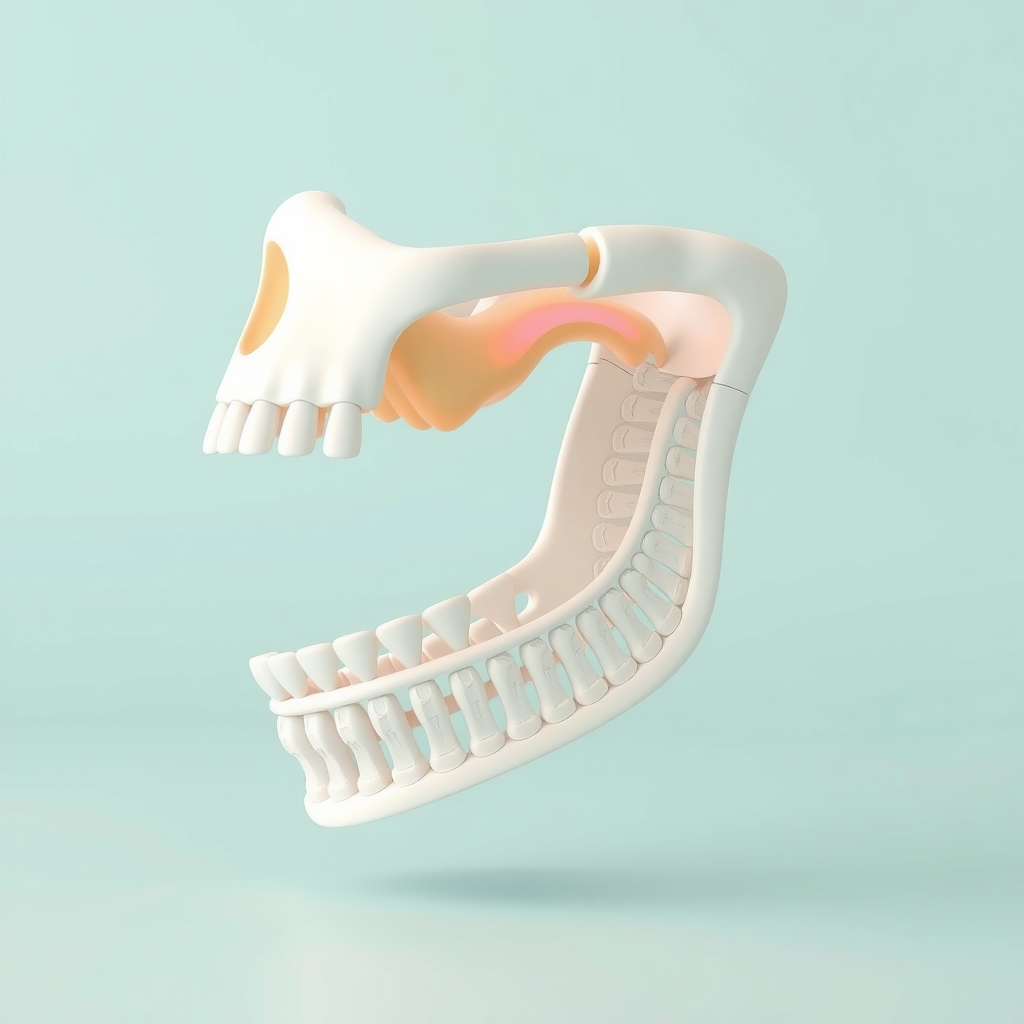
Pain in front of the ear, a clicking sound when you open your mouth, or a jaw that suddenly feels stuck are all signs of a problem with the temporomandibular joint, commonly called the TMJ. This is the joint that connects your lower jaw to your skull, and it works every time you talk, chew, or yawn. Many patients in Gurugram search online for answers before deciding whether to visit a clinic, so this article explains the common causes and helps you understand when home care is enough and when you should see a specialist.
What Causes TMJ Disorders
TMJ problems rarely have a single cause. They usually develop from a combination of habits, joint wear, and muscle strain. Common contributors include:
- Teeth grinding or clenching (bruxism): Often happens during sleep and puts repeated pressure on the jaw joint and muscles.
- Stress: Leads to unconscious jaw clenching during the day, tightening the muscles around the joint.
- Jaw injury: A blow to the face or jaw, even an old one, can affect how the joint moves.
- Arthritis: Wear and tear or inflammatory arthritis can affect the joint surfaces over time.
- Disc displacement: A small cushion inside the joint can shift out of position, causing clicking or a locking sensation.
- Bad bite or missing teeth: Uneven chewing forces can place extra strain on one side of the jaw.
- Poor posture: Prolonged desk work and phone use can strain neck and jaw muscles together.
Common Symptoms to Watch For
- Dull or sharp pain in front of the ear, sometimes spreading to the cheek, temple, or neck
- Clicking, popping, or grating sounds when opening or closing the mouth
- Jaw locking briefly or fully in an open or closed position
- Difficulty chewing hard foods or opening the mouth wide
- Headaches, especially in the morning
- Ear fullness or ringing without an ear infection
When You Can Try Home Care First
If your symptoms are mild and there is no locking, several simple measures can help:
- Eat softer foods for a few days and avoid wide yawning or hard chewing
- Apply a warm compress to the jaw muscles for 10 to 15 minutes a few times a day
- Practice gentle jaw stretches as advised by your dentist
- Reduce stress through relaxation techniques, since clenching often worsens with anxiety
- Avoid chewing gum, which keeps the joint under constant strain
- Be mindful of posture, especially if you work long hours at a desk
Many mild cases settle within a few weeks with these steps alone.
When to See a Maxillofacial Surgeon
Some symptoms need a proper clinical examination and sometimes imaging such as an X-ray or MRI to understand what is happening inside the joint. You should book an appointment if you notice:
- Jaw locking that lasts more than a few seconds or happens repeatedly
- Pain that does not improve after two to three weeks of home care
- Difficulty opening your mouth wide enough to eat comfortably
- Jaw pain following an injury or accident
- A noticeable change in how your upper and lower teeth meet
- Swelling near the jaw joint or facial asymmetry
A maxillofacial surgeon can examine the joint, muscles, and bite together, order imaging when needed, and recommend the right next step, whether that is a night guard, physiotherapy, medication, or in rare cases a minor procedure.
How TMJ Disorders Are Usually Managed
| Approach | When It Is Used |
|---|---|
| Night guard or splint | For grinding or clenching related pain |
| Physiotherapy and jaw exercises | For muscle tightness and limited opening |
| Bite correction | When uneven teeth contact is contributing to strain |
| Medication | Short term relief for pain and inflammation |
| Surgical evaluation | For persistent locking or joint damage not responding to other care |
A Note on Cost
Treatment cost depends on the cause and the plan recommended after examination. In Gurugram, a typical range for a consultation and basic evaluation is modest, while devices like night guards or further imaging add to the cost depending on what is needed. Your surgeon can give you a clear estimate once the exact cause is identified.
Jaw joint pain is common and often manageable, but it should not be ignored if it persists or affects your daily eating and speaking. A timely assessment helps rule out more complex joint problems and keeps simple cases from becoming long term issues.
Have questions about your teeth?
Dr Lokesh Yadav · 3rd floor, above Cut and Style Salon, opp. Vega School, Vipul World, Sector 48
Frequently asked questions
Is jaw clicking always a sign of a serious problem?
No. Clicking without pain or restricted movement is common and often does not need treatment. It becomes a concern when it is accompanied by pain, locking, or difficulty chewing.
Can stress really cause jaw pain?
Yes. Stress often leads to clenching or grinding, especially during sleep, which overloads the jaw joint and chewing muscles and can trigger pain or clicking.
Will I need surgery for a TMJ disorder?
Most cases improve with conservative measures like rest, physiotherapy, and night guards. Surgery is considered only for a small number of patients who do not respond to non-surgical care.
How long does it take for TMJ pain to improve?
Mild cases often ease within a few weeks with self-care. Persistent or worsening symptoms should be evaluated so the exact cause can be identified and treated properly.
Treatment costs mentioned on this page are indicative ranges for the Gurugram region. Your exact cost depends on your case and will be confirmed after a clinical examination at the clinic.