Dental Veneers: Types, Costs and How to Choose the Right One
If you have been searching for ways to improve chipped, stained, or uneven teeth, you have probably come across dental veneers. They are one of the most popular cosmetic dentistry options, and for good reason. Veneers can transform the look of your smile without the need for extensive treatment. This guide explains what veneers are, the types available, typical costs in Gurugram, and how to decide if they are right for you.
What Are Dental Veneers?
A veneer is a thin shell that is bonded to the front surface of a tooth. It covers imperfections like discoloration, small chips, gaps, or minor misalignment, giving you a smoother, more even smile. Veneers are custom made to match the shape and shade of your natural teeth, so the result looks as natural as possible.
Veneers are mainly used for front teeth that are visible when you smile or talk. They do not replace the entire tooth, only its visible surface, which makes the procedure relatively conservative compared to crowns.
Porcelain Veneers vs Composite Veneers
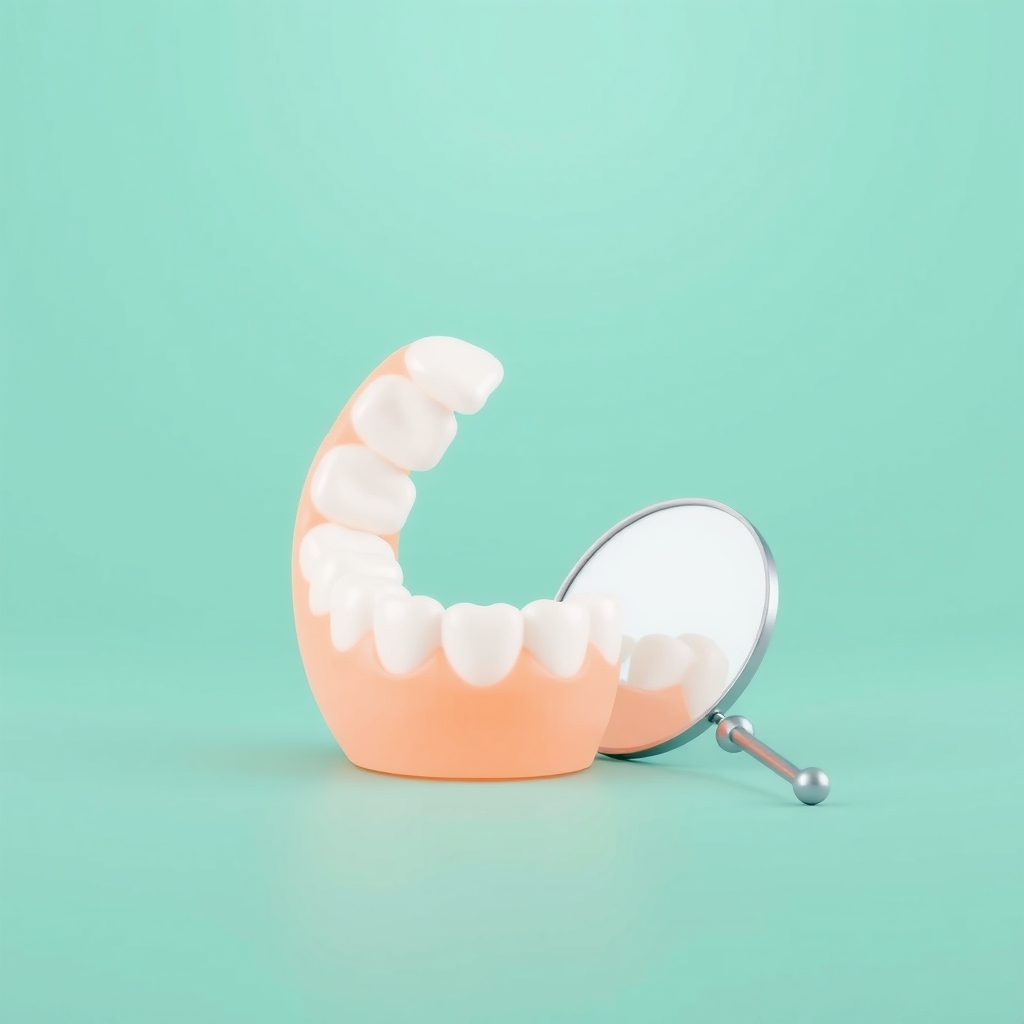
The two most common types of veneers are porcelain and composite resin. Both have their own advantages depending on your goals, budget, and timeline.
Porcelain Veneers
- Made in a dental lab from ceramic material
- Highly stain resistant and closely mimic natural tooth translucency
- Usually require two visits, one for preparation and impressions, another for fitting
- Last longer with proper care, often 10 to 15 years
- Require a small amount of enamel removal for a proper fit
Composite Veneers
- Made of tooth coloured resin applied and shaped directly on the tooth
- Can often be completed in a single visit
- More affordable upfront compared to porcelain
- May stain over time and need polishing or touch ups
- Generally last 4 to 7 years before needing replacement
Neither option is universally better. Porcelain tends to suit patients looking for a long term, highly durable solution, while composite suits those wanting a quicker, more budget friendly fix or a way to trial the look before committing to porcelain.
Typical Cost Ranges in Gurugram
Veneer costs vary based on the material, the number of teeth treated, and the complexity of your case. Below is a general guide for Gurugram patients researching options.
| Type | Typical Range (per tooth) |
|---|---|
| Composite veneers | Rs 3,000 to Rs 8,000 |
| Porcelain veneers | Rs 8,000 to Rs 20,000 |
These are typical ranges only and actual costs depend on your clinical examination, the lab used for porcelain veneers, and how many teeth are being treated. Your dentist can give you an accurate estimate after assessing your teeth and discussing your goals.
How to Decide If Veneers Suit Your Smile Goals
Veneers are not the right choice for everyone. Here are a few things to think about before deciding.
- What exactly bothers you about your smile? Veneers work well for discoloration, chips, small gaps, and slightly uneven edges. For crowding or bite problems, orthodontic treatment may be more suitable first.
- How much enamel removal are you comfortable with? Porcelain veneers involve a small, permanent reduction of enamel. If you prefer a more conservative option, composite may be worth discussing.
- What is your budget and timeline? Composite veneers are usually quicker and more affordable, while porcelain is a bigger investment that tends to last longer.
- Do you have underlying dental issues? Cavities, gum disease, or teeth grinding should be addressed before veneers are placed, since these can affect how well veneers hold up over time.
A thorough consultation is the best way to understand which option, if any, fits your needs. Your dentist will examine your teeth, discuss your expectations, and recommend a plan based on what will give you a healthy, natural looking result.
Caring for Your Veneers
Veneers are not completely stain proof, especially composite ones, so it helps to limit tea, coffee, and tobacco where possible. Regular brushing, flossing, and dental check ups will help both porcelain and composite veneers last as long as possible. If you grind your teeth at night, a night guard may be recommended to protect your investment.
Veneers can be a great way to refresh your smile when the right type is chosen for your specific needs. Taking time to understand the differences between porcelain and composite, along with realistic cost expectations, will help you make a confident and informed decision.
Have questions about your teeth?
Dr Lokesh Yadav · 3rd floor, above Cut and Style Salon, opp. Vega School, Vipul World, Sector 48
Frequently asked questions
Do veneers damage the natural tooth underneath?
Porcelain veneers usually need a thin layer of enamel removed to fit well, which is permanent. Composite veneers can sometimes be done with little to no enamel removal. Your dentist will explain what your specific teeth need before starting.
How long do veneers last?
Porcelain veneers typically last 10 to 15 years or longer with good care. Composite veneers generally last 4 to 7 years and may need touch ups sooner. Lifespan depends on your bite, habits, and oral hygiene.
Can veneers fix crooked teeth?
Veneers can improve the appearance of mild misalignment, gaps, or uneven edges, but they are not a substitute for braces or aligners. For significant crowding or bite issues, orthodontic treatment may be recommended first or alongside veneers.
Are veneers reversible?
Porcelain veneers are generally not reversible because some enamel is removed. Composite veneers are more conservative and may be reversible in some cases. This is an important factor to discuss during your consultation.
Treatment costs mentioned on this page are indicative ranges for the Gurugram region. Your exact cost depends on your case and will be confirmed after a clinical examination at the clinic.