Tooth Abscess: Warning Signs and Treatment Options
A throbbing toothache that keeps you up at night, or a swollen, painful gum, can be a sign of a tooth abscess. This is a common dental problem in Gurugram, but it is one that needs prompt attention. Understanding what is happening and what your treatment options are can help you make the right decision quickly.
What Is a Tooth Abscess?
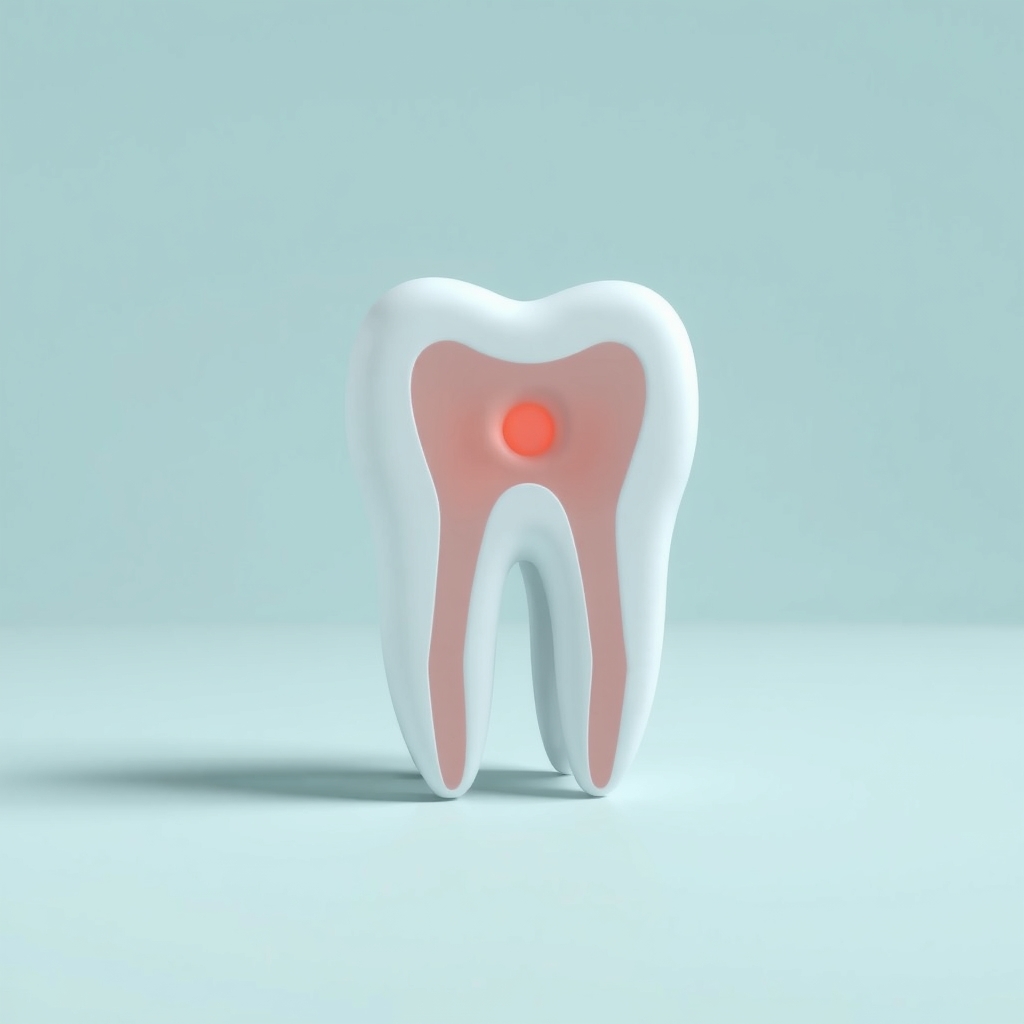
A tooth abscess is a pocket of pus caused by a bacterial infection. It usually starts inside the tooth, often from a deep cavity, a cracked tooth, or an old filling that has broken down, allowing bacteria to reach the soft inner pulp. The infection can also begin in the gums around a tooth. As the body fights the bacteria, pus builds up and pressure increases, which is what causes the pain and swelling.
There are two common types:
- Periapical abscess: forms at the tip of the tooth root, usually from untreated decay or injury
- Periodontal abscess: forms in the gum tissue next to a tooth, often linked to gum disease
Warning Signs to Watch For
A tooth abscess rarely stays quiet for long. Common signs include:
- Throbbing, persistent pain that may spread to the jaw, ear, or neck
- Swelling of the face, cheek, or gum near the affected tooth
- Sensitivity to hot or cold that lingers well after the stimulus is removed
- Pain when chewing or biting down
- A bad taste in the mouth or foul smell, which can mean the abscess has drained on its own
- Fever, fatigue, or a general feeling of being unwell
- Tender, swollen lymph nodes under the jaw or in the neck
When It Becomes an Emergency
Seek urgent care right away if you notice:
- Swelling that is spreading quickly to the eye, neck, or throat
- Difficulty swallowing or breathing
- High fever with chills
- A feeling of being very unwell alongside facial swelling
These can be signs that the infection is spreading beyond the tooth, which needs immediate medical and dental attention.
How a Tooth Abscess Is Diagnosed
At a dental visit, the dentist will examine the tooth and gums, check for swelling and tenderness, and usually take a dental X-ray. The X-ray helps show whether the infection is confined to the tooth root or has started to affect the surrounding bone, which guides the treatment plan.
Treatment Options
The right treatment depends on how severe the infection is, which tooth is involved, and how much of the tooth structure can be saved.
Drainage
If there is a visible swelling or pocket of pus, the dentist may need to drain it first to relieve pressure and pain. This can be done by making a small opening in the gum or through the tooth itself. Draining the abscess often brings quick relief from pain, though it does not address the underlying infection on its own.
Root Canal Treatment
If the tooth structure is still sound, a root canal is often the preferred way to save it. The infected pulp inside the tooth is removed, the canal is cleaned and disinfected, and the tooth is sealed and usually protected with a crown afterward. This approach preserves your natural tooth and is successful in most cases when done in time.
Extraction
When a tooth is too badly decayed, fractured, or damaged to be restored, removal may be the safer and more practical option. After extraction, the infection is cleared along with the tooth, and the socket is allowed to heal. Replacement options like a dental implant or bridge can be discussed once the area has settled.
Antibiotics
Antibiotics may be prescribed if the infection has started spreading to nearby tissue, the jaw, or if you have a fever. However, antibiotics alone do not cure an abscess, since the source of infection, the tooth or gum pocket, still needs to be treated directly.
| Treatment | What it involves | Typical range (Gurugram) |
|---|---|---|
| Incision and drainage | Releasing pus to relieve pressure | Rs 1,500 to Rs 4,000 |
| Root canal treatment | Cleaning infected pulp, sealing tooth | Rs 5,000 to Rs 15,000 per tooth |
| Tooth extraction | Removal of the infected tooth | Rs 1,500 to Rs 6,000 |
These are typical ranges only, as actual costs depend on the tooth involved, severity of infection, and any additional procedures like a crown. Your dentist can give you a specific estimate after examination.
What Happens If You Delay Treatment
Ignoring a tooth abscess does not make it go away. Left untreated, the infection can spread to the jawbone, surrounding tissues, or in rare cases, deeper into the body. Early treatment is almost always simpler, more comfortable, and more affordable than treatment delayed until the infection has spread.
If you are in Gurugram and noticing swelling, throbbing pain, or a tooth that is sensitive and tender, it is worth getting it checked promptly rather than waiting to see if it settles. Dr Lokesh Yadav's clinic, located above Cut and Style Salon opposite Vega School in Sector 48, Vipul World, can assess your symptoms and recommend the right next step for your situation.
Have questions about your teeth?
Dr Lokesh Yadav · 3rd floor, above Cut and Style Salon, opp. Vega School, Vipul World, Sector 48
Frequently asked questions
Can a tooth abscess go away on its own?
No. An abscess will not heal without treatment. Pain or swelling may come and go, but the infection stays and can spread, so it needs dental attention even if it seems to settle temporarily.
Is a tooth abscess an emergency?
If you have facial swelling, fever, difficulty swallowing or breathing, or swelling spreading toward your eye or neck, treat it as an emergency and seek care immediately, at a dental clinic or hospital.
Will I definitely need the tooth removed?
Not always. Many abscessed teeth can be saved with drainage and root canal treatment. Extraction is usually considered only when the tooth is too damaged or infected to be restored.
Can antibiotics alone cure a tooth abscess?
Antibiotics can help control spreading infection but they do not remove the source of pus. The tooth still needs drainage, root canal treatment, or extraction for lasting relief.
Treatment costs mentioned on this page are indicative ranges for the Gurugram region. Your exact cost depends on your case and will be confirmed after a clinical examination at the clinic.