Facial and Jaw Fracture Diagnosis and Treatment
A hard fall, a road accident, or a blow during sports can fracture the bones of the face or jaw. These injuries need prompt attention, not just to manage pain and swelling, but to make sure your bite, chewing ability, and facial appearance recover properly. This guide explains how facial and jaw fractures are diagnosed and treated, so you know what to expect if you or a family member in Gurugram ever faces this situation.
Common Causes of Facial and Jaw Fractures
In our Gurugram practice, we most often see these injuries from:
- Two-wheeler and road accidents
- Falls at home or on stairs
- Sports injuries, especially cricket, football, cycling, and martial arts
- Physical altercations or accidental blows to the face
The lower jaw (mandible), cheekbone (zygoma), upper jaw (maxilla), and eye socket (orbit) are the areas most commonly affected.
Signs That Suggest a Fracture
Not every facial injury involves a broken bone, but certain symptoms should prompt an immediate visit to a dentist or hospital:
- Visible swelling, bruising, or deformity of the face or jaw
- Pain that worsens when trying to open the mouth or bite
- Teeth that suddenly do not meet the way they used to
- Numbness in the lip, chin, or cheek
- Loose, chipped, or displaced teeth
- Double vision or difficulty moving the eyes, which may suggest an orbital fracture
If any of these are present after an accident, treat it as urgent. Facial fractures that are left untreated for even a few days can become harder to correct properly.
How Facial and Jaw Fractures Are Diagnosed
Diagnosis starts with a careful clinical examination to check for tenderness, asymmetry, abnormal jaw movement, and changes in the bite. This is followed by imaging to confirm the extent and exact location of the fracture.
Imaging Used
- OPG (Orthopantomogram): A panoramic dental X-ray useful for lower jaw fractures
- CT scan: Gives a detailed 3D picture and is the standard for complex fractures involving the cheekbone, eye socket, or upper jaw
- Dental X-rays: To assess damage to individual teeth and roots near the fracture site
This step is important because some fractures are not visible to the naked eye but still affect the bite and jaw function.
Treatment Options
Treatment depends on the location, severity, and number of fractures.
Non-Surgical Management
Simple, non-displaced fractures where the bones remain in reasonably good alignment may be treated by:
- Wiring or elastic bands to hold the jaw in place while it heals (intermaxillary fixation)
- A strict soft or liquid diet for several weeks
- Pain relief and antibiotics if needed
- Regular follow-up to confirm the bones are healing in the correct position
Surgical Treatment
Displaced, multiple, or unstable fractures usually require surgery to restore normal bite and facial shape. This may involve:
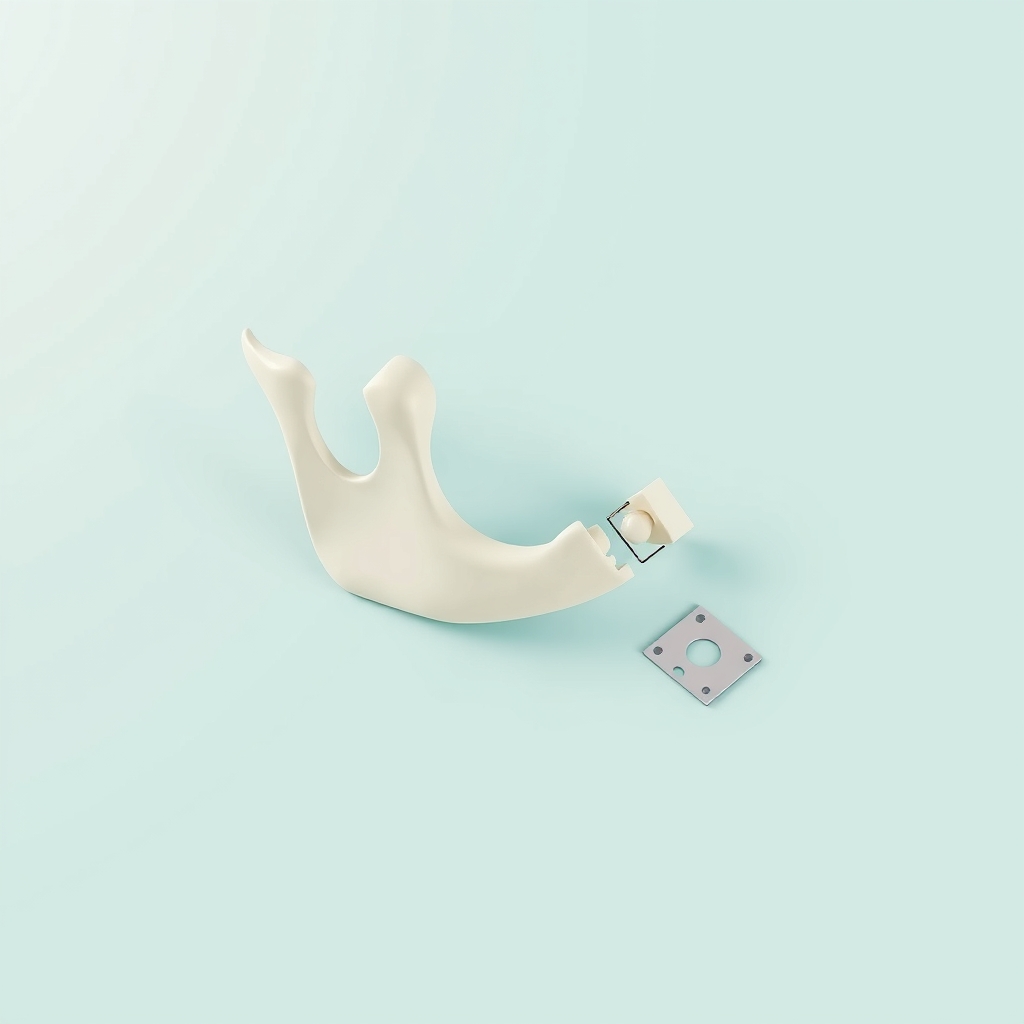
- Open reduction and internal fixation (ORIF): The bone fragments are repositioned and secured using titanium plates and screws
- Closed reduction: In some jaw fractures, bones can be realigned without an open incision, then stabilised externally
- Tooth-related repair: Damaged teeth may need splinting, root canal treatment, or extraction if beyond saving
- Bite correction: Careful attention is given during surgery to ensure your upper and lower teeth meet correctly afterward
Surgery is usually done under general anaesthesia and, depending on complexity, may be performed jointly with an ENT or eye surgeon if the fracture involves the sinuses or orbit.
| Fracture Severity | Typical Approach |
|---|---|
| Hairline, non-displaced | Jaw immobilisation, soft diet, monitoring |
| Displaced, single fracture | Surgical plating (ORIF) |
| Multiple or complex fractures | Surgery with plates, possible joint surgical team |
Recovery and Follow-Up
Most patients need a soft diet for 4 to 6 weeks. Swelling and stiffness gradually improve, and jaw exercises may be recommended to restore normal opening. Regular follow-up visits check that the bite is stable and the bone is healing well. Full comfort while chewing generally returns within 2 to 3 months, though this varies with the fracture's complexity and the patient's age and health.
Why Timely Treatment Matters
Delaying treatment for facial or jaw fractures can lead to poor bone healing, permanent bite problems, or visible facial asymmetry. If you or your child has suffered a facial injury from an accident or sports activity in Gurugram, prompt evaluation gives the best chance of a full, natural-looking recovery.
Cost note: Treatment cost depends heavily on fracture severity, whether surgery is needed, and the number of plates used. As a general guide, the typical range for jaw fracture treatment in Gurugram can vary widely, and a firm estimate is only possible after clinical examination and imaging.
Have questions about your teeth?
Dr Lokesh Yadav · 3rd floor, above Cut and Style Salon, opp. Vega School, Vipul World, Sector 48
Frequently asked questions
How do I know if my jaw is fractured after a fall or accident?
Common signs include pain when opening the mouth, visible swelling or bruising, difficulty biting normally, numbness in the lip or chin, and teeth that no longer meet properly. Any of these after an injury needs urgent dental or medical evaluation with an X-ray or CT scan.
Is surgery always needed for a broken jaw?
Not always. Some hairline or minimally displaced fractures heal with jaw immobilisation using wires or elastics. Displaced or multiple fractures usually need surgical plating to restore proper bite and facial alignment.
How long is recovery after jaw fracture surgery?
Initial healing takes about 4 to 6 weeks, during which a soft diet is essential. Full bone strength and comfortable chewing typically return over 2 to 3 months, depending on the fracture's severity and the patient's overall health.
Will a facial fracture change how my face looks?
Timely, correct treatment aims to restore your original facial shape and bite. Delayed or untreated fractures are more likely to heal with asymmetry, which is why early evaluation after any facial injury matters.
Treatment costs mentioned on this page are indicative ranges for the Gurugram region. Your exact cost depends on your case and will be confirmed after a clinical examination at the clinic.