Denture Types, Costs, and Care: A Practical Guide for Gurugram Patients
Losing teeth, whether from age, gum disease, or injury, affects how you eat, speak, and smile. Dentures remain one of the most reliable ways to restore function and appearance. If you are researching options in Gurugram, this guide explains the main types of dentures, honest cost ranges, and how to adapt to and care for them.
Types of Dentures
Complete Dentures
Complete dentures replace all teeth in the upper, lower, or both jaws. They rest on the gums and are held in place by suction and, in the lower jaw, by the tongue and cheek muscles. They are a good option when no natural teeth remain and are usually the most budget-friendly choice.
Partial Dentures
Partial dentures fill in gaps when some natural teeth are still healthy. They are made of a metal or acrylic framework with artificial teeth attached, and they clip onto the remaining teeth for stability. Partial dentures help prevent your other teeth from shifting out of place over time.
Implant-Supported Dentures
These dentures attach to dental implants placed in the jawbone, offering a firmer fit and better chewing strength than traditional dentures. They are especially helpful for the lower jaw, where regular dentures can feel loose. This option generally requires a minor surgical procedure and healing time before the denture is fitted.
Typical Cost Ranges in Gurugram
Costs vary based on the materials used, the number of teeth being replaced, and whether implants are involved. These are typical ranges patients in Gurugram can expect, and your dentist will confirm exact costs after an examination.
| Denture Type | Typical Range (INR) |
|---|---|
| Complete denture (per jaw) | ₹8,000 to ₹35,000 |
| Partial denture (per jaw) | ₹6,000 to ₹25,000 |
| Implant-supported denture (per jaw) | ₹80,000 to ₹2,50,000+ |
Premium materials, such as flexible partial frameworks or higher-grade acrylic teeth, usually sit at the higher end of these ranges. Implant-supported options depend on the number of implants used and the type of attachment system chosen.
Tips for Adapting to New Dentures
- Start with soft foods like khichdi, dal, and well-cooked vegetables, then gradually reintroduce firmer foods as you gain confidence.
- Practice reading aloud for a few minutes daily to retrain your speech muscles.
- Chew slowly and use both sides of your mouth evenly to keep the denture balanced.
- Expect some excess saliva and minor clicking sounds in the first week. These usually settle on their own.
- If a sore spot develops, avoid trying to adjust the denture yourself. Visit your dentist for a simple fitting correction.
Caring for Your Dentures
- Rinse dentures after every meal to remove food particles.
- Brush them daily with a soft brush and a mild denture cleanser, not regular toothpaste, which can be abrasive.
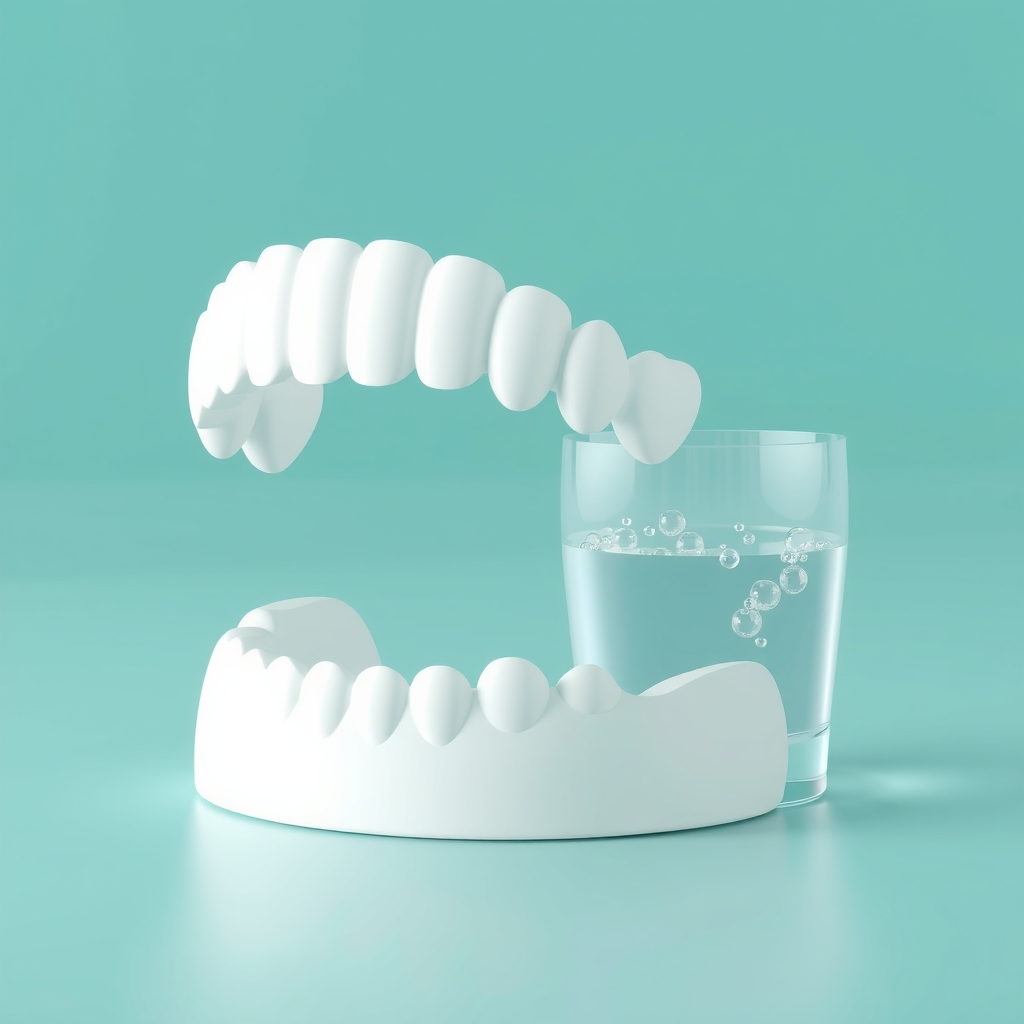
- Soak removable dentures overnight in water or a denture-soaking solution to keep them from drying out and warping.
- Handle them over a folded towel or a basin of water in case they slip from your hands.
- Keep your gums and any remaining natural teeth clean with a soft brush to prevent irritation and decay.
- Schedule regular dental check-ups so your dentist can monitor fit, as the shape of your gums and jawbone can change over time.
Choosing the Right Option
The right denture type depends on how many teeth are missing, the health of your jawbone, your budget, and your lifestyle needs. A thorough oral examination, including an assessment of bone density where implants are being considered, helps determine the most suitable and durable solution for you.
If you are weighing complete, partial, or implant-supported dentures, a personalised consultation can clarify which option fits your mouth and your daily routine best. Dr Lokesh Yadav's clinic in Sector 48, Gurugram, offers detailed assessments to help you make an informed decision.
Have questions about your teeth?
Dr Lokesh Yadav · 3rd floor, above Cut and Style Salon, opp. Vega School, Vipul World, Sector 48
Frequently asked questions
How long does it take to get used to new dentures?
Most people need two to six weeks to adjust. Speech and eating feel easier each week as your muscles and tissues adapt. Mild soreness in the first few days is common and usually settles with minor adjustments.
Can I sleep with my dentures in?
It is better to remove them at night. This gives your gums time to rest and reduces the risk of irritation or infection. Store them in water or a denture-soaking solution while you sleep.
Are implant-supported dentures painful to get?
The implant placement is done under local anaesthesia, so the procedure itself is not painful. Some swelling or discomfort afterward is normal and can be managed with the medication your dentist prescribes.
How often should dentures be replaced or relined?
Dentures typically need a reline every one to two years and full replacement every five to eight years, as your jawbone and gums change shape over time.
Treatment costs mentioned on this page are indicative ranges for the Gurugram region. Your exact cost depends on your case and will be confirmed after a clinical examination at the clinic.