Baby Bottle Tooth Decay in Toddlers: Causes, Early Signs, and Treatment Options
If you have noticed brown or white spots on your toddler's front teeth, you are not alone. Many parents in Gurugram come to us worried about marks that appeared seemingly overnight. This is often early childhood caries, commonly called baby bottle tooth decay. The good news is that it is both preventable and treatable when caught early.
What Causes Baby Bottle Tooth Decay
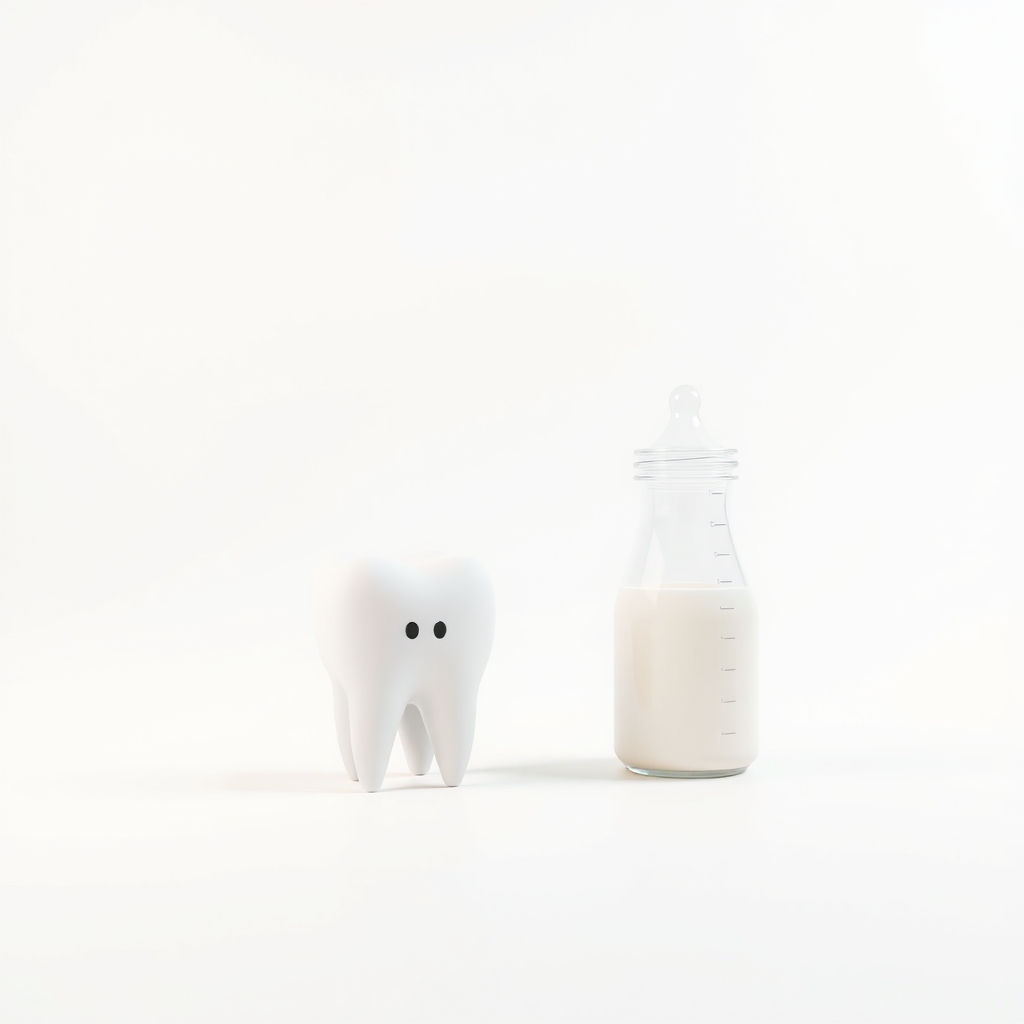
Baby teeth have thinner enamel than adult teeth, which makes them more vulnerable to acid attacks from bacteria. Decay develops when sugary liquids, including milk, formula, fruit juice, and sweetened water, stay in contact with teeth for long periods, especially during naps or overnight feeds.
- Frequent bottle or breastfeeding at night: Liquid pools around the upper front teeth while the child sleeps, feeding bacteria for hours.
- Sharing spoons or cleaning a pacifier by mouth: Decay-causing bacteria can pass from a caregiver's saliva to the baby.
- Delayed brushing habits: Many toddlers do not get their teeth cleaned regularly until decay has already started.
- Constant sipping on juice or sweetened milk through the day: This keeps the mouth acidic for longer stretches.
How to Spot It Early
Catching the problem in its earliest stage makes treatment simpler and less stressful for your child.
Early warning signs
- Dull white or chalky patches near the gumline, usually on the upper front teeth
- Light brown discolouration that darkens over weeks
- Sensitivity to cold milk or sweet foods
- Your toddler avoiding chewing on one side
- Visible small pits or holes in the tooth surface
Because the upper front teeth are usually affected first and most visibly, parents often spot the early white-spot stage simply by lifting the lip during brushing. Making this a weekly check at home can help you catch changes before a cavity forms.
Prevention Parents in Gurugram Can Start Today
- Avoid bedtime bottles with milk or juice. If a bottle is needed to settle your child, use plain water.
- Start cleaning gums and teeth early. Wipe gums with a soft, damp cloth before teeth erupt, then switch to a soft, age-appropriate toothbrush once the first tooth appears.
- Use a rice-grain smear of fluoride toothpaste for children under three, and a pea-sized amount for ages three to six, as advised by your dentist.
- Limit juice and sugary drinks. Offer water between meals instead.
- Avoid sharing utensils or cleaning a dropped pacifier by mouth to reduce bacterial transfer.
- Schedule a first dental visit by age one so any risk factors are identified early.
Treatment Options for Baby Tooth Decay
Treatment depends on how advanced the decay is. At Dr Lokesh Yadav's clinic in Sector 48, Gurugram, we assess each child individually and choose the gentlest effective option.
| Stage of Decay | Typical Treatment Approach |
|---|---|
| Early white-spot lesions | Fluoride application and improved home care to remineralise enamel |
| Small cavity | Tooth-coloured filling to restore the tooth surface |
| Deeper decay reaching the nerve | Pulp therapy (similar to a child-friendly root canal) followed by a crown |
| Severely damaged tooth | Extraction with a space maintainer to protect alignment of future teeth |
The typical range for treating early childhood caries in Gurugram can vary quite a bit depending on the number of teeth involved and the treatment needed, so we always recommend an in-person check-up before estimating cost. We never promise a fixed price without first examining your child.
Why Early Action Matters
Untreated decay in baby teeth can lead to pain, difficulty eating, disturbed sleep, and infections that may affect the permanent tooth developing underneath. Addressing it early also helps your toddler build a more comfortable, less fearful relationship with dental visits going forward.
If you have spotted any discolouration on your child's teeth, it is worth having it checked soon rather than waiting to see if it changes. Early, simple treatments are usually far easier for both child and parent than addressing advanced decay later.
Have questions about your teeth?
Dr Lokesh Yadav · 3rd floor, above Cut and Style Salon, opp. Vega School, Vipul World, Sector 48
Frequently asked questions
Is it necessary to treat cavities in baby teeth since they fall out anyway?
Yes. Baby teeth hold space for adult teeth, help with chewing and speech, and infections can spread to the developing permanent tooth underneath. Untreated decay can also cause pain and affect your child's eating and sleep.
Can baby bottle tooth decay be reversed?
Very early white-spot lesions can sometimes be halted or remineralised with fluoride and better oral hygiene. Once a cavity has formed (brown or black spots with a hole), it needs professional treatment and will not reverse on its own.
At what age should I bring my toddler for their first dental visit?
Most dental associations recommend a first visit by the child's first birthday or within six months of the first tooth erupting, so the dentist can check for early signs of decay and guide you on home care.
Is it safe to put my toddler to sleep with a milk bottle?
It is best avoided. Milk, formula, and juice left pooling around teeth overnight feed decay-causing bacteria. If a bedtime bottle is unavoidable, try using plain water instead.
Treatment costs mentioned on this page are indicative ranges for the Gurugram region. Your exact cost depends on your case and will be confirmed after a clinical examination at the clinic.